The Intersection of Ecology and Efficiency: Innovative Strategies for Modern Land Management Apr 27, 2026
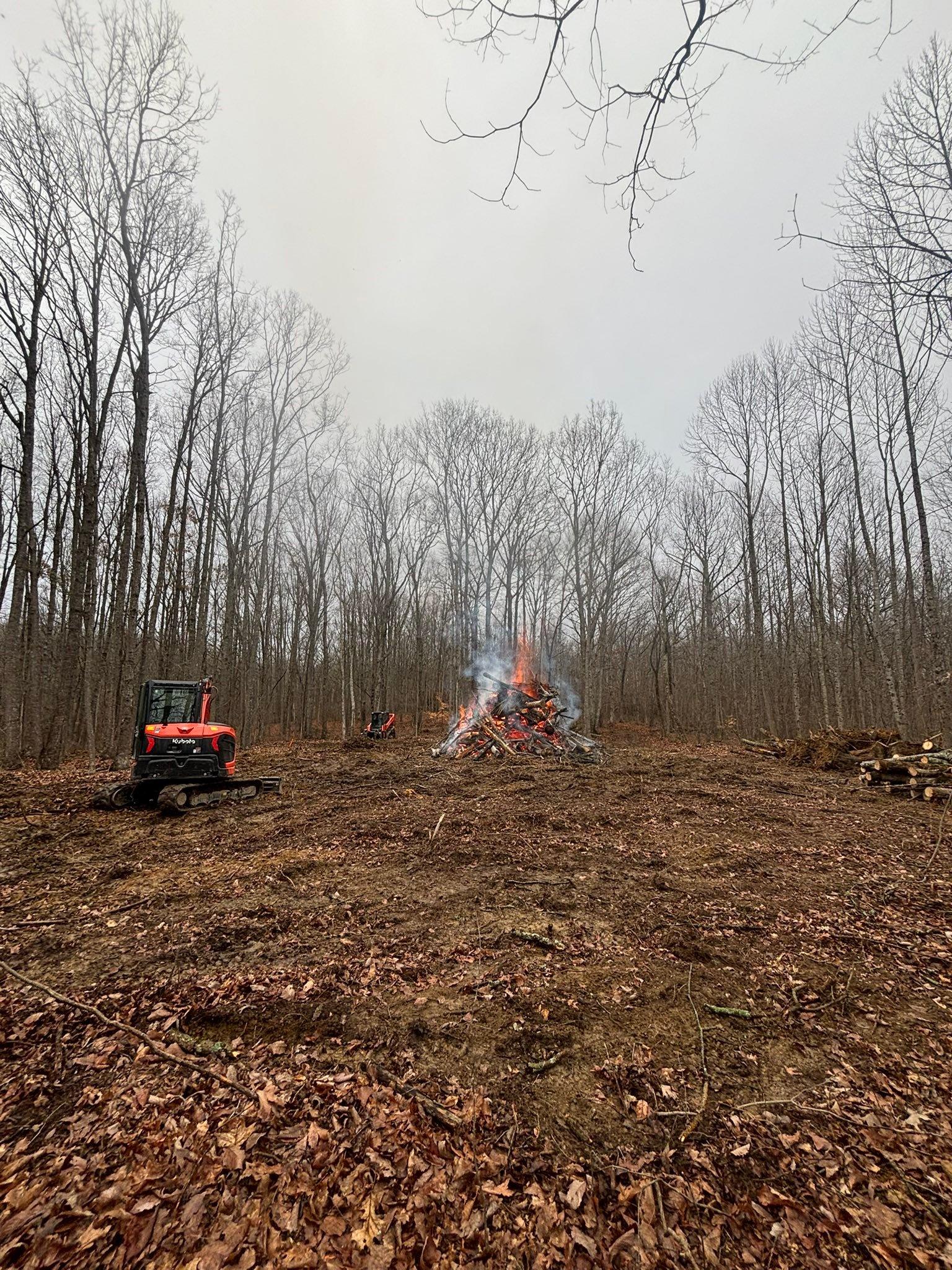
The challenge of land clearing lies in maintaining a delicate balance. On one hand, there's the need to prepare a site for construction or agriculture promptly and cost-effectively. On the other, there's the responsibility to preserve natural habitats and reduce environmental impact. It is here that state-of-the-art technologies and practices come into play.
The integration of advanced machinery in land clearing is revolutionizing the field. Modern equipment, such as hydro-ax mowers and mulchers, are designed to minimize soil disruption and facilitate faster clearing processes. These machines are not only efficient, but they also help in preserving the topsoil, which is vital for maintaining ecological balance. This approach ensures that while handleing land efficiently, the ecological structures remain largely unaffected.
However, technology alone isn't enough. Equally important are the strategic approaches that incorporate ecological studies and sustainable planning. This includes understanding the native species, assessing the environmental impact, and working towards minimizing habitat destruction. For TD Dirtworks, engaging with environmental scientists to conduct thorough site assessments prior to clearing is a step in the right direction. This ensures that all stakeholders are aware of the potential risks and benefits, facilitating informed decision-making.
The adoption of sustainable practices extends to the after-effects of land clearing as well. Implementing post-clearing programs that enhance biodiversity—such as reforestation projects or the installation of wildlife corridors—can significantly contribute to ecological preservation. These strategies not only help in restoring the area’s natural balance but also promote the resurgence of local flora and fauna.
Another important aspect of modern land management is community involvement. Engaging local communities in land management decisions not only helps in gaining public trust but also ensures the long-term sustainability of projects. Educational programs that highlight the importance of ecological balance and demonstrate how efficient land management practices benefit everyone can foster a more supportive environment for development projects.
Looking towards the future, the fusion of technology, sustainability, and community engagement will shape the new ethos of land management. As TD Dirtworks continues to pioneer efficient yet environmentally sensitive methods, it sets a benchmark for the industry. Supporting a green approach does not merely equate to compliant operations but defines a core business ethos that prioritizes the planet.
In conclusion, the intersection of ecology and efficiency in land management is not just a trend but a necessary evolution. By leveraging advanced tools and strategic planning, and fostering community partnerships, companies can make significant strides in nurturing both economic success and environmental stewardship. This balanced approach not only enhances the credibility of land management firms like TD Dirtworks but also ensures a thriving ecosystem for future generations. As the industry moves forward, let us embrace these innovative strategies to build a more sustainable and efficient future.
/filters:no_upscale()/filters:format(webp)/media/aba7f932-b6d1-4aca-9cef-46be5e38f087.jpeg)