Innovative Land Clearing Techniques: Transforming Spaces While Protecting Biodiversity Jun 04, 2026
Land clearing traditionally involved methods harmful to biodiversity, often resulting in substantial environmental disruption. Forests teeming with wildlife were cleared, leaving habitats destroyed and ecological balance disturbed. However, innovative practices now offer more sustainable options that maintain ecological integrity.
At the forefront of these innovations is selective clearing. This technique artfully combines the removal of unwanted vegetation with the preservation of desired plant life. By carefully selecting which areas to clear and which to preserve, TD Dirtworks helps maintain critical habitats and protect native species. Selective clearing proves especially advantageous in areas rich in biodiversity, where maintaining natural land features is desirable.
Another transformative technique is mulching. Unlike traditional methods that disturb the soil, mulching involves grinding vegetation back into the earth. This not only enriches the soil with essential nutrients but also prevents erosion, contributing to land stability. TD Dirtworks employs state-of-the-art mulching equipment that is both efficient and environmentally friendly. By returning organic matter to the landscape, this process supports biodiversity, ensuring that cleared areas continue to sustain life.
Hydroseeding is an innovative approach that TD Dirtworks uses to restore land post-clearing. Hydroseeding involves spraying a mixture of seed, mulch, fertilizers, and water onto prepared soil. This method promotes rapid vegetation growth, preventing soil degradation and fostering an ecosystem where wildlife can thrive. Such techniques are particularly useful on slopes and other erosion-prone areas.
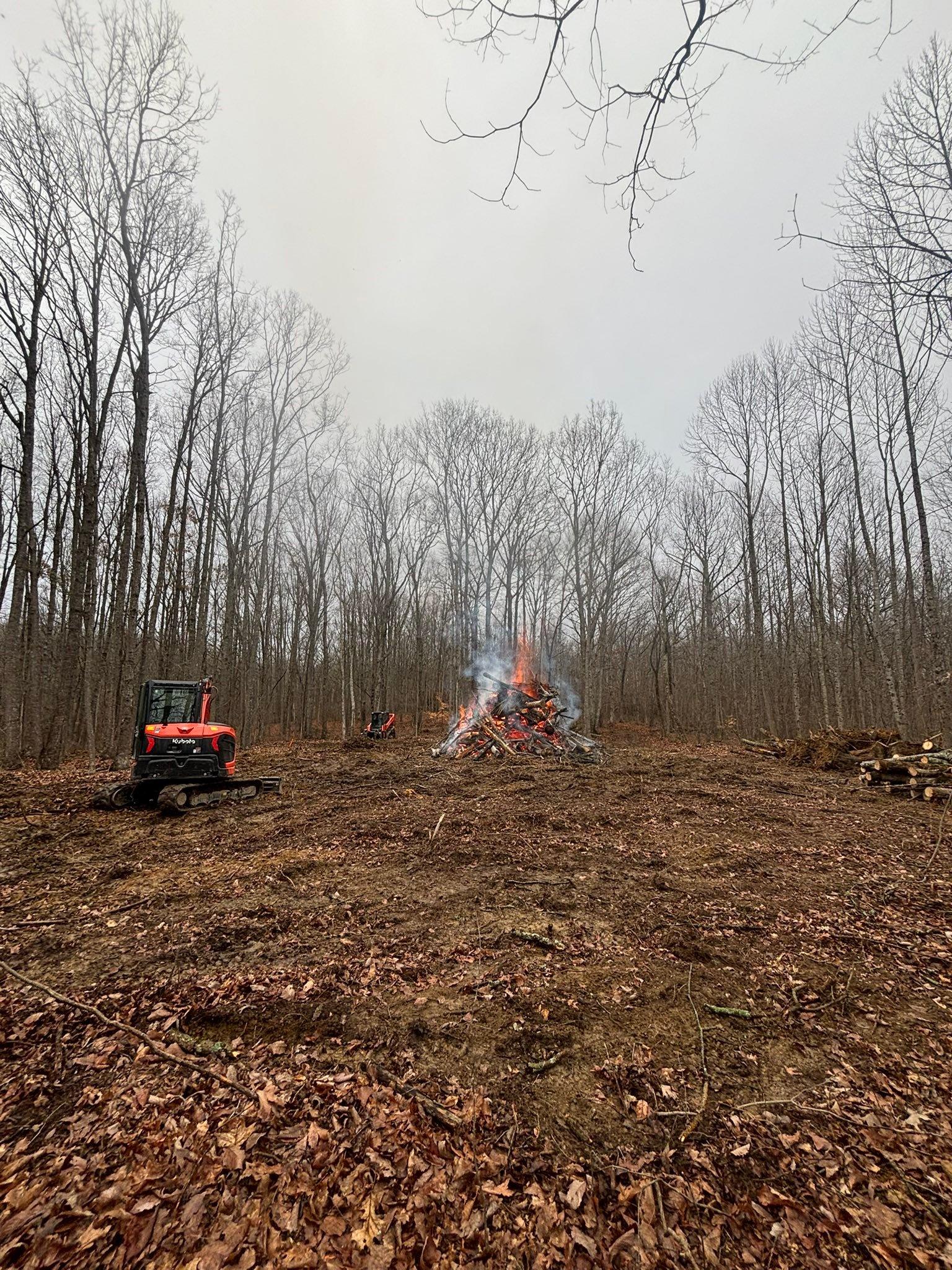
Eco-friendly burning is another practice embraced, though applied with extreme care and under specific conditions. Unlike uncontrolled fires, prescribed burns can actually enrich ecosystems by removing invasive species and promoting the growth of native plants. This method essentially mimics nature’s way of balancing plant communities and is applied with precision to avoid unnecessary harm.
TD Dirtworks also engages in mechanical clearing, where advanced machinery is used to minimize ground disturbance. The machinery employed is not only designed to be low-impact but is also operated by skilled professionals who prioritize environmental integrity. By reducing soil compaction and leaving root structures intact, mechanical clearing ensures land sustainability.
Beyond the mechanical techniques, community engagement plays a critical role in successful land management. TD Dirtworks often collaborates with environmental experts, landowners, and local authorities to ensure land clearing projects meet both ecological and economic objectives. Education and collaboration with stakeholders can lead to better decision-making practices that align developmental goals with environmental stewardship.
In conclusion, land clearing doesn't have to come at the cost of the environment. With thoughtful planning and the implementation of innovative techniques, TD Dirtworks transforms spaces while safeguarding biodiversity. These sustainable practices not only protect natural landscapes but provide long-lasting benefits for both landowners and wildlife. As we move towards a more ecological future, choosing companies like TD Dirtworks for land clearing needs ensures that progress and preservation go hand in hand. For anyone considering a land clearing project, engaging with such practices will help create a legacy of sustainability and ecological respect.
/filters:no_upscale()/filters:format(webp)/media/aba7f932-b6d1-4aca-9cef-46be5e38f087.jpeg)